
Chiropractic care may help some pregnant patients manage lower back pain, muscular discomfort and pregnancy-related pelvic girdle pain. However, the evidence for chiropractic treatment specifically is limited, and not every pregnancy-related pain is musculoskeletal.
At Joint Health Chiropractic Pretoria, our starting point is an assessment to understand your symptoms, check for concerns that need maternity care and discuss suitable options. Where conservative care is appropriate, the aim is to improve comfort and daily function.
You should not have to simply endure pain that disrupts sleep, walking or basic activities. Equally, treatment should not come with promises to permanently realign your pelvis, turn your baby or guarantee an easier delivery.
What Types of Pregnancy Pain May Benefit From Assessment?
Lower back pain and pelvic girdle pain are common during pregnancy. They can occur separately or together, and their effects vary considerably.
Lower Back Pain
Changes in body shape, activity demands and the way you carry weight can affect your lower back. You may notice aching after standing, discomfort during desk work or difficulty finding a comfortable sleeping position.
These symptoms need to be assessed in context. Pain during pregnancy should not automatically be attributed to posture or hormonal changes.
Pelvic Girdle Pain
Pregnancy-related pelvic girdle pain can affect the back of the pelvis, the pubic region, hips or thighs. Everyday movements may become uncomfortable, including:
- Turning over in bed.
- Walking or climbing stairs.
- Getting into or out of a car.
- Standing on one leg to get dressed.
- Standing or sitting for long periods.
Pain in these situations does not necessarily mean your pelvis is damaged, displaced or structurally unstable. A clinical assessment helps identify the pattern and consider other possible causes.
Is Relaxin Responsible?
Pregnancy hormones influence connective tissues, but pelvic pain cannot be explained simply by having “too much relaxin”. Symptoms involve several interacting factors, including physical demands, previous pain, movement tolerance and individual sensitivity.
We cannot infer hormone levels or the degree of joint stability from pain alone. Hormonal changes also do not mean that useful improvement is impossible before delivery.
Read our latest blog: Can a Chiropractor Help With Arthritis?
When Should You Contact Your Maternity Team First?
Contact your midwife, obstetrician or maternity unit immediately if you experience:
- Vaginal bleeding or suspected leaking of amniotic fluid.
- Your baby moving less than usual or a change in their established movement pattern.
- Severe or persistent abdominal pain, or regular painful contractions, particularly before 37 weeks.
- A severe headache, especially with blurred vision, flashing lights or pain beneath the ribs.
- Sudden marked swelling of your face or hands.
- Fever, chills or feeling significantly unwell.
- Painful urination, particularly with fever or back pain.
- New pain, swelling, warmth or redness in one leg.
Sudden breathlessness, chest pain, collapse or severe bleeding requires emergency medical care.
Do not wait for your next chiropractic appointment to discuss these symptoms. A previous diagnosis of pelvic girdle pain does not explain away a new or concerning change.
How We Assess Pregnancy-Related Pain
At Joint Health Chiropractic, assessment begins with your pregnancy history, current maternity care and the behaviour of your symptoms.
We may ask about:
- Your stage of pregnancy and any known complications.
- When the pain began and whether it is changing.
- Which activities aggravate or ease it.
- How walking, sleep, work and dressing are affected.
- Previous back or pelvic problems.
- Any neurological, urinary or obstetric symptoms.
An appropriate examination may assess comfortable movement, muscle tenderness, strength and functional tasks. Selected pelvic pain tests can help support a diagnosis, but a positive test does not prove that a joint is displaced or unstable.
Normal reflexes and strength are reassuring findings, but they cannot exclude every medical or neurological condition.
If your history or examination raises concerns, maternity or medical assessment takes priority. Communication with your maternity team can help coordinate care, with your consent.
What Does Conservative Pregnancy Pain Care Involve?
A useful plan combines practical advice and suitable activity with other options chosen according to your needs. NICE recommends considering physiotherapy referral for pregnancy-related pelvic girdle pain, including exercise advice and/or a non-rigid lumbopelvic support belt.
Individual Exercise Advice
Exercises may support comfortable movement, muscle strength and tolerance for everyday activities. The programme should suit your symptoms, pregnancy stage and any maternity restrictions.
There is no universal rule that strengthening must stop in the third trimester. Some patients can continue adapted strength exercises, while others need a lower starting level or a different activity.
Likewise, common stretches are not automatically appropriate for everyone. If an exercise repeatedly increases pelvic pain, it needs adjusting rather than forcing.
Selected Hands-On Treatment
Gentle mobilisation or soft tissue techniques may be considered to help manage discomfort. Treatment should be comfortable and reviewed according to whether it helps you function.
Research does not establish that chiropractic manipulation reliably resolves pregnancy-related back or pelvic pain. It should not replace suitable exercise advice or maternity care.
You do not need spinal manipulation to receive conservative support. Your practitioner should explain the proposed techniques, uncertainties, risks and alternatives before you decide.
Pelvic Support Belts
A non-rigid pelvic support belt may help some patients during activities such as walking or standing. A suitable trial can establish whether it improves comfort.
A belt does not permanently realign the pelvis or replace a ligament. Fit, comfort and advice about when to wear it matter. It should support activity rather than become a reason to avoid movement altogether.
Pelvic Health Physiotherapy
A pelvic health physiotherapist can provide tailored rehabilitation for pelvic girdle pain and assess concerns such as bladder symptoms or pelvic floor discomfort.
Pelvic floor treatment is not always about strengthening. Some patients need help with coordination or relaxation. Internal assessment is optional, requires specific consent and is not necessary for every patient.

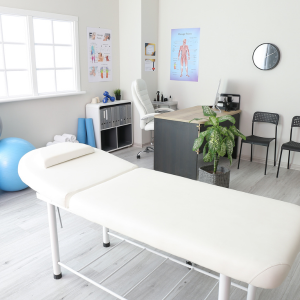

How Is Chiropractic Treatment Adapted During Pregnancy?
Positioning and techniques should accommodate your changing body and comfort. Care is adjusted to the individual rather than following a fixed treatment routine for each trimester.
Comfortable Positioning
Side-lying or supported positions may be useful, particularly later in pregnancy. Avoiding prolonged flat-on-the-back positioning becomes important as pregnancy advances.
If a position causes dizziness, nausea, breathlessness or discomfort, tell your practitioner immediately so it can be changed and the symptoms assessed.
Any equipment used should avoid uncomfortable pressure on the abdomen. A specialised table alone does not establish that a treatment is safe or effective.
Avoiding Unnecessary Force
Forceful stretching or manipulation is inappropriate where instability, fracture, significant bone fragility or another contraindication is suspected.
Low-force techniques are not automatically risk-free. Their suitability still depends on assessment, informed consent and your response.
Routine spinal X-rays are not required for pregnancy pain. If a medical concern makes imaging necessary, the maternity and radiology teams determine the appropriate investigation. Pregnancy does not prohibit every medically necessary scan.
Can Chiropractic Care Realign the Pelvis or Make Labour Easier?
Chiropractic treatment should not be presented as permanently shifting pelvic bones into an ideal position. Pain relief or easier movement does not demonstrate that a displaced pelvis has been corrected.
There is also insufficient evidence to promise that chiropractic treatment will shorten labour, prevent a caesarean birth or improve the baby’s position.
Concerns about breech presentation or delivery planning belong with your maternity team. Manual treatment for your comfort should not be confused with obstetric procedures intended to change fetal position.
Our focus is on practical outcomes such as walking more comfortably, sleeping better and managing daily tasks.
An Illustrative Example: Pelvic Pain at 30 Weeks
The following scenario is a composite illustration, not a documented Joint Health Chiropractic patient case or a prediction of treatment results.
A 31-year-old patient at 30 weeks of pregnancy develops pelvic and lower back pain. Turning in bed causes a catching sensation, getting out of the car is difficult and walking becomes uncomfortable after approximately 10 minutes.
Assessment and Shared Planning
Following appropriate screening, the clinical findings support pregnancy-related pelvic girdle pain. Any concerns about the pregnancy itself are discussed with the maternity team before proceeding.
A suitable plan might include activity adjustments, tailored exercises, a trial of a pelvic belt and selected gentle hands-on care. With consent, relevant findings can be shared with her midwife or obstetrician.
Looking for Useful Changes
Progress is judged by whether she can turn in bed more comfortably, manage car transfers and remain active with fewer disruptions.
Some symptoms may persist, and the plan may need adapting as pregnancy progresses. This does not automatically mean she needs appointments until delivery or that her pelvis cannot improve because of hormones.
If pain worsens, walking becomes very difficult or new symptoms develop, reassessment and appropriate maternity or medical input take priority.
Practical Ways to Make Daily Activities Easier
Sleeping and Turning in Bed
After 28 weeks, settle to sleep on either side. If you wake on your back, turn onto your side rather than worrying.
A pillow between your knees, and support beneath your bump if comfortable, may help. When turning, try moving your shoulders and pelvis together and keeping your legs comfortably close.
You do not need to squeeze your knees firmly or brace your pelvic floor with every movement. Use the strategy that reduces discomfort without creating extra tension.
Getting Dressed and Using the Car
If standing on one leg hurts, sit down to put on trousers, underwear and shoes.
For car transfers, try sitting onto the seat first and then bringing your legs around together within a comfortable range. Adjust the seat to give yourself enough room.
Do not drive if pain prevents you from operating the controls or observing traffic safely.
Walking and Exercise
Try shorter walks or a comfortable stride length if these reduce symptoms. Alternate activity with recovery periods rather than repeatedly pushing into a substantial flare.
There is no need to force an unusually narrow walking pattern. Choose a natural, comfortable movement and seek advice if your walking becomes markedly altered.
If mobility becomes severely restricted, contact your maternity team. They can review pain management, equipment needs and risks associated with reduced movement.
Desk Work and Household Tasks
Use comfortable back support and change position regularly. Brief movement breaks every 30 to 45 minutes may help, but adjust the timing to your needs.
Break demanding tasks into smaller parts and seek help with activities that repeatedly aggravate pain. No single “perfect” posture needs to be held all day.
How Do We Know Whether Care Is Helping?
Agree on goals that matter to you, such as:
- Fewer sleep interruptions.
- Easier turning in bed.
- More comfortable dressing and car transfers.
- Improved walking tolerance.
- Greater confidence managing symptoms at home.
Treatment should be reviewed against those goals. If it provides no useful benefit, the approach needs changing rather than automatically continuing.
You do not need to wait two or three weeks to report worsening symptoms. New concerns require earlier review.
Will You Need Care Until Delivery?
Not necessarily. Follow-up depends on your progress, preferences and whether further appointments provide a meaningful benefit.
Some patients need occasional support as activity demands change. Others manage independently with advice and exercises. Pregnancy alone does not justify a maintenance schedule.
Symptoms often improve after birth, but persistent postpartum pain deserves assessment rather than an assumption that it will resolve without support.
Pregnancy Pain Assessment at Joint Health Chiropractic Pretoria
Back or pelvic pain that limits daily life deserves attention. It should not be dismissed as something you must simply tolerate during pregnancy.
At Joint Health Chiropractic Pretoria, Dr Angelique Maree takes an individual approach to assessing musculoskeletal symptoms and discussing suitable conservative care, with referral or coordinated care where appropriate.
Contact Joint Health Chiropractic on 079 091 9756 to arrange a consultation at Swift Physio Centre, 501 Jochemus Street, Erasmuskloof, Pretoria.
If you have bleeding, fluid loss, reduced fetal movement or other urgent warning signs, contact your maternity team immediately rather than waiting for a chiropractic appointment.
